4 October 2026
Matching Artwork: How to Choose Prints That Work Together
Bring artwork together through colour, subject, frames or spacing. Practical ideas for choosing a pair, adding to an existing print and planning a gallery wall.
By Ben Gordon
By Ben Gordon · 9 October 2026 · 5 min read
Plan wall art around your room, taste and budget. Learn what to include in a brief and how a custom art print differs from a handmade commission.
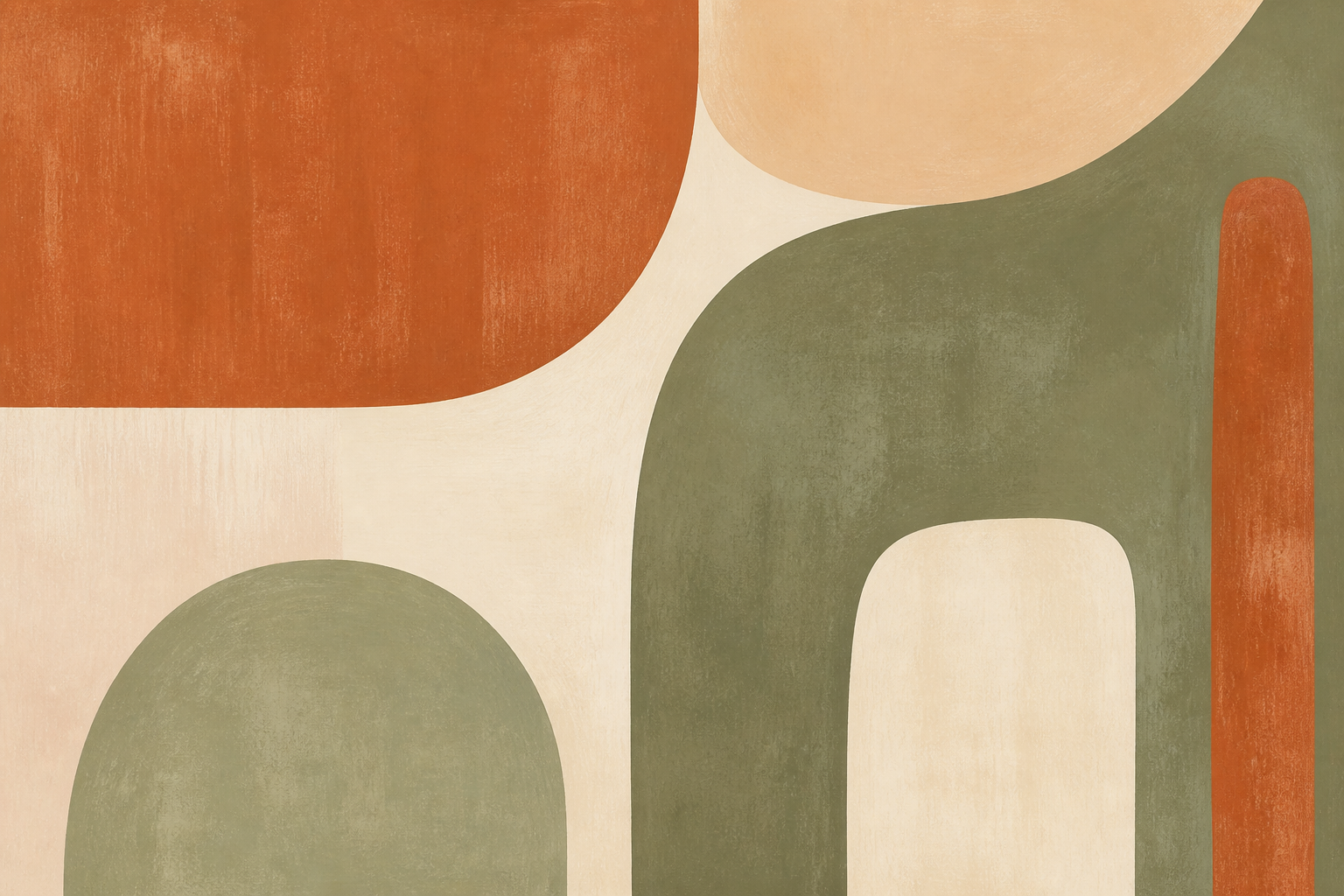
Bespoke wall art starts with something personal: a place you love, a colour palette you keep returning to, or a space that needs a particular shape. The aim is to choose or create artwork that feels at home in your room.
There are several ways to do that. You might commission an artist, work with a printmaker or create a digital artwork to print. The best choice depends on the object you want, the process you enjoy and your budget.
Bespoke usually means made to a particular brief. That brief might cover the subject, dimensions, colours or materials. It is worth checking what a seller can customise: choosing a frame for an existing picture is different from having a new image created.
On Create Prints, you can describe an artwork or upload an image for visual guidance, then choose the available print options. The result is a digital artwork prepared for a physical print. If you want a hand-painted surface or a sculpture made from a specific material, an artist or maker is the appropriate route.
A useful brief does not need design terminology. It needs enough detail to make your preferences clear.
For example: “A coastal landscape with a low horizon, muted blue and warm cream, simple shapes and a little visible texture. Landscape format for a living room with an oak sideboard.”
That is more useful than asking for “something that matches”. It gives the artwork a subject and a character as well as a palette.
A room photo can help communicate the wall colour, furniture and light. Choose a view that includes the wall and the furniture beneath it, rather than a close-up of one cushion.
The artwork can pick up a small accent from the room without repeating every colour. If your furniture is neutral, you might prefer a stronger image. If the room already contains several patterns, a simpler composition may be easier to place.
A reference photo helps with visual direction; it does not replace measurements. Record the available wall space and check the final framed dimensions before ordering.
Decide how much of the wall you want the artwork to occupy. A small piece can work beautifully in a reading corner; a broad space above furniture may suit a larger print or a group.
Cut paper to the proposed outside dimensions and place it on the wall. View it from the doorway and from your usual seat. Include any mount and frame in that outline, and count the gaps if you are planning more than one piece.
Next, choose the presentation. A mount adds a border around the image. A natural wood frame can connect with wooden furniture; a dark frame can give a pale composition a stronger outline. These are options to compare, rather than rules you need to follow.
Both can begin with your ideas, but they offer different experiences.
| Consideration | Custom digital art print | Artist commission |
|---|---|---|
| Finished object | An image printed on the selected material | The work and medium agreed with the artist |
| Creative process | Review a digital image before ordering | Agree the brief, review stages and revisions with the artist |
| Surface | Determined by the printing and framing options | May include hand-applied paint, texture or other materials |
| Timing and cost | Check the product and delivery information | Ask for a written quote and agreed schedule |
Neither route has a universal price or lead time. Compare the full cost, the scope for changes and what will arrive. If exclusivity matters, ask about reproduction rights rather than assuming “bespoke” means no other copy can ever exist.
On Create Prints, describe your idea or use a reference image, review the artwork and select the available size, format, frame and optional mount. We prepare the chosen artwork for the product you order. Prints are made to order, with delivery available to Great Britain and the United States.
If you already have an image made in ChatGPT or Midjourney, you can print it using the Create Prints plugin or MCP connection. For file questions, see our guide to printing AI art.
Yes. Upload a room photo as visual guidance and explain what you want the artwork to add. Include your preferences as well as the room's existing colours.
No. A digital art print is printed from an image file. If you want a hand-painted work, commission an artist and agree the medium and finish with them.
Not necessarily. Customisation describes how a piece is made for your brief. Exclusivity and edition size are separate matters, so ask about them if they are important to you.
Check the current production and delivery information for your order. Creating the image and making the physical print are separate stages; an image preview is not a delivery estimate.
Start with the subject and feeling you want, then check the size and finish. Create your artwork when your brief is ready, or browse the shop to discover which styles appeal to you.
Every print is analysed for colour and room fit — or describe your space and we'll make something for it.
4 October 2026
Bring artwork together through colour, subject, frames or spacing. Practical ideas for choosing a pair, adding to an existing print and planning a gallery wall.
By Ben Gordon
25 September 2026
Print a ChatGPT image as a poster or framed print with the Create Prints plugin. Sizes, prices and delivery times for Great Britain and the US.
By Ben Gordon
21 September 2026
Choose bedroom artwork you enjoy unwinding with. Explore colour, subject, scale, reflections and practical placement above a bed or on another wall.
By Ben Gordon