Intricate Emotional Wall Art Prints
Intricate prints hold their interest in how much is happening rather than in how loud it is. Dense line work, layered pattern, fine botanical detail, architectural complexity. The classifier measures this directly from the image — edge density and fine texture — rather than inferring it from the palette, because a dense drawing and a flat wash can use exactly the same colours. These prints reward standing close, and most of them lose their point at a distance.
49 prints
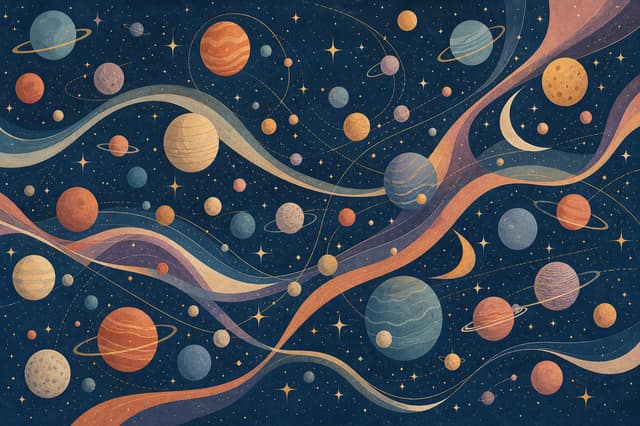
Retro-Futuristic Cosmic Panorama
From £12.99
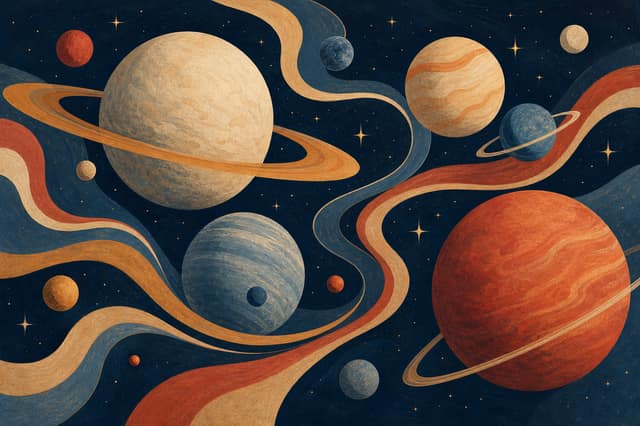
Retro-Futuristic Cosmic Panorama
From £12.99
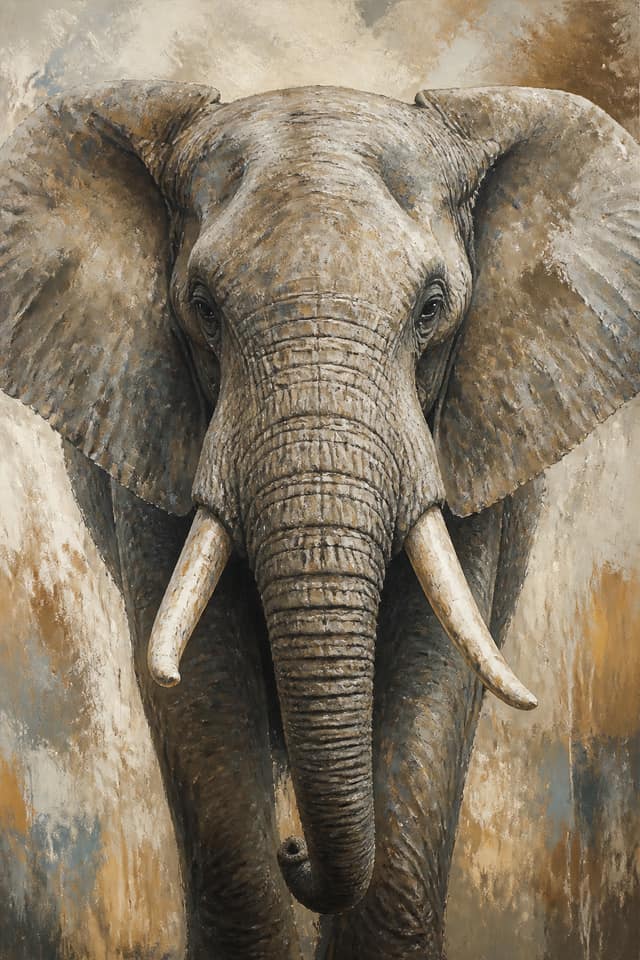
Majestic Elephant Wall Art
From £12.99

Surreal Botanical Observatory
From £11.99

Floating Glass Conservatory
From £11.99
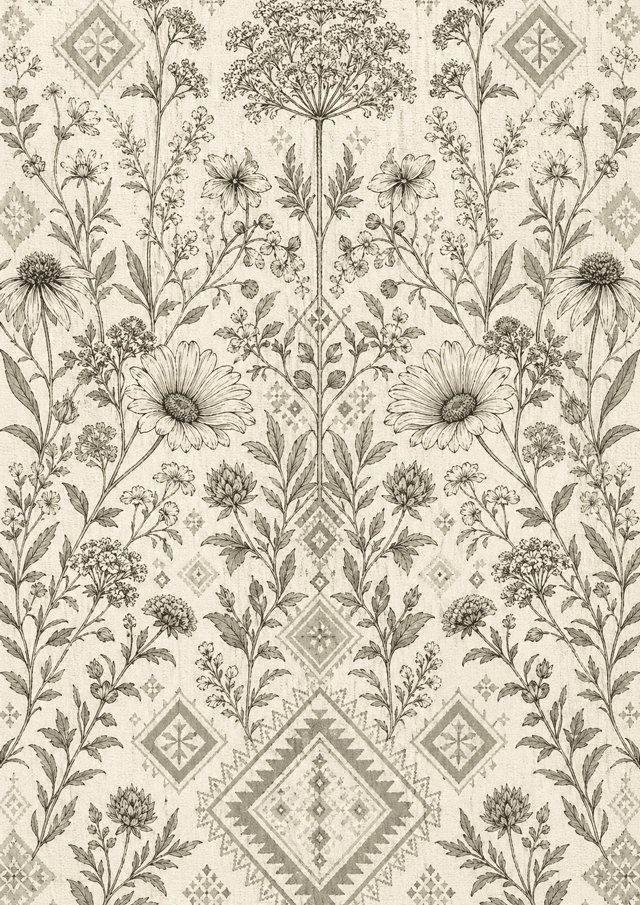
Whispering Blooms
From £12.99

Petal Enigma
From £12.99

Floral Veil
From £12.99

Enchanted Haven
From £12.99

Whispers of Dawn
From £12.99

Amalfis Chromatic Embrace
From £11.99
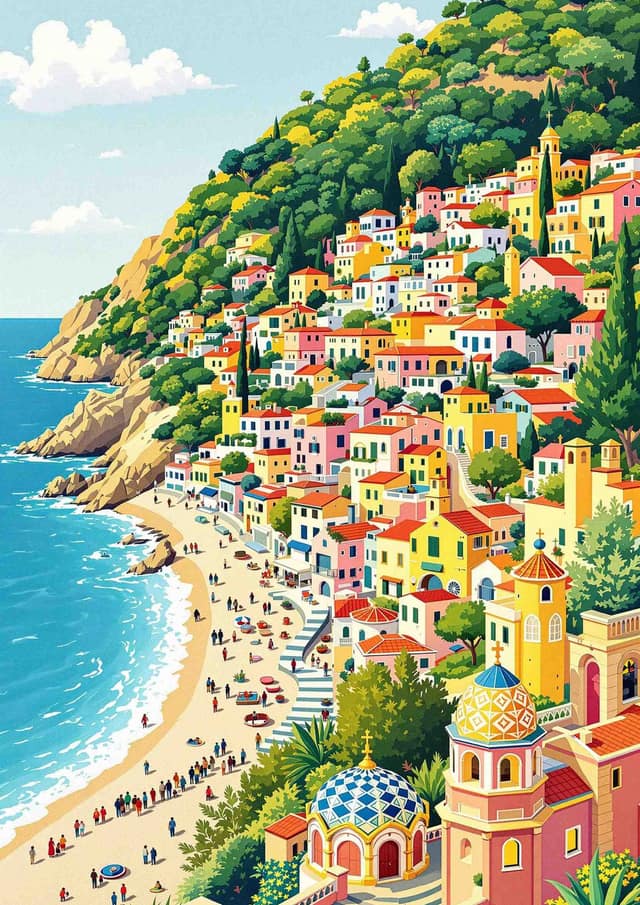
Sunlit Serenity
From £12.99

Orchard Serenity
From £12.99

Tranquil Botanic Symphony
From £12.99
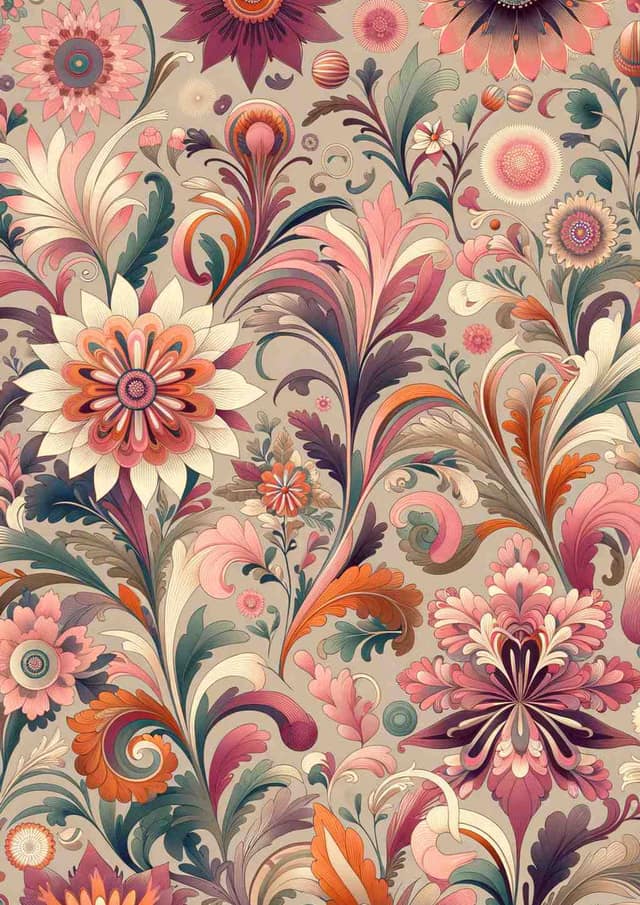
Vibrant 70s Floral Harmony
From £12.99
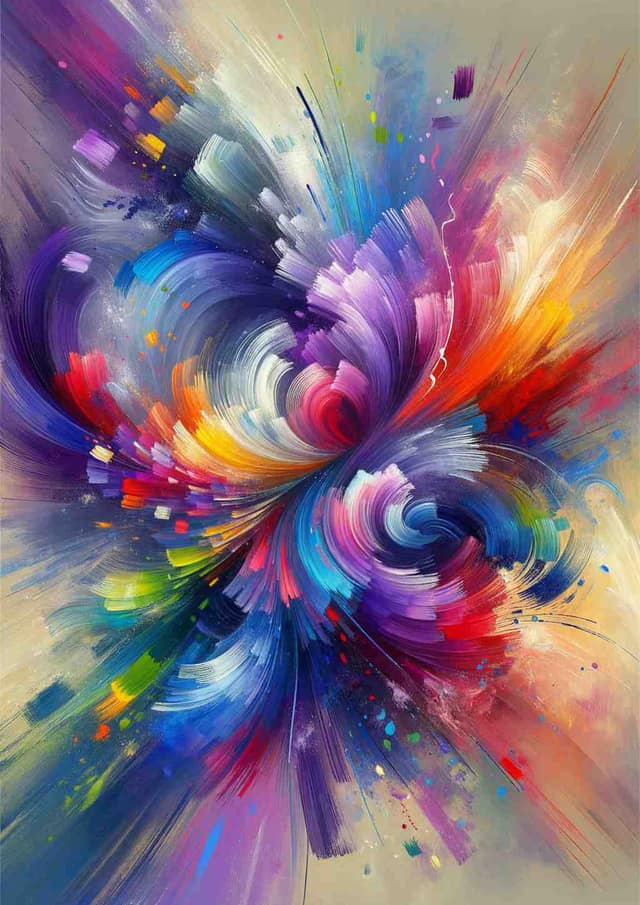
Vibrant Whirlwind
From £12.99

Serene Harmony: A Modern Garden Portrait
From £12.99

Serene Botanicals: Modern Minimalism in Nature
From £11.99

Ethereal Angler: An Art Nouveau Aquatic Dreamscape
From £12.99

Cosmic Bioluminescence
From £12.99

Impressionist Coastal Serenity
From £12.99

Bunny Chef at Noon
From £12.99

Whimsical Elegance: A Cats Tea Time
From £12.99
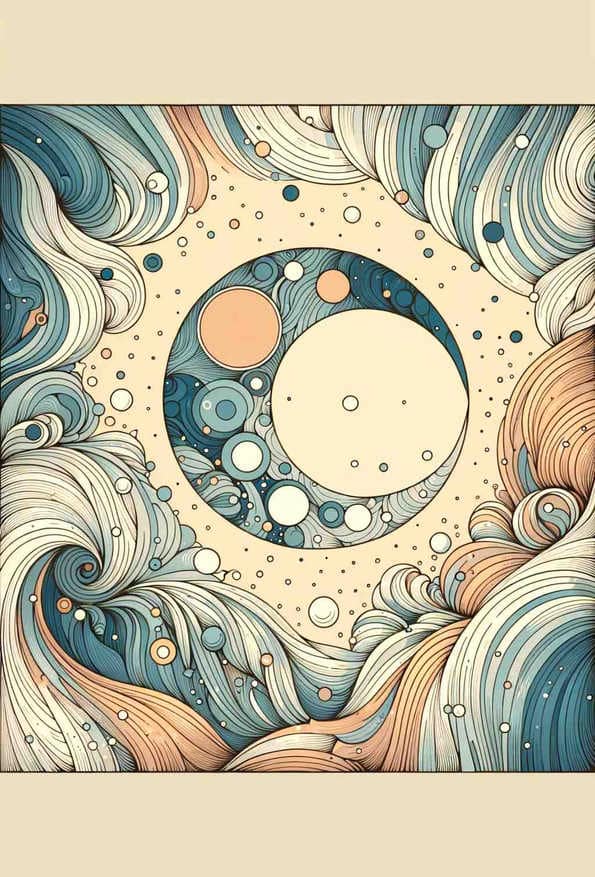
Whimsical Minimalism in Blue Hues
From £12.99
Guide to Choosing Intricate Prints
Psychological Effects
- Rewards repeated and close viewing rather than being read at a glance
- Fills a wall visually without needing strong colour or contrast
- Suits the small, close-viewed wall that bolder work overwhelms
- Draws people toward it rather than being seen from across the room
Scientific Background
Complexity is an arousal driver independent of colour, which is why it is measured here rather than folded into the palette. Berlyne treated it as a "collative variable" alongside novelty and surprise, and the modern computational work bears that out: Donderi's review of visual complexity establishes edge and contour density as the measures that track human judgement, and Nadal and colleagues found complexity judgements of artwork decomposing into edge density and variety — which is why this classification uses two terms, one for large structure and one for fine texture. What the evidence does not support is that detail is better or worse than restraint. It is a different kind of attention: intricate work is looked *at*, where the serene collection is looked *past*. Hang accordingly.